recteq vs Yoder: I Ran Both, Here's Where the Extra $1,100 Actually Goes
recteq Flagship 1600 vs Yoder YS640s and YS480s: temperature scores, smoke, build quality, warranty math, and price per square inch from side-by-side cooks. Who wins, and who should still buy the Yoder.
 By Oleg Galeev, cooking on pellet grills since 2020, runs the OleGrill YouTube channel
Short answer
recteq wins for most backyard cooks. The Flagship 1600 gives you 1,659 square inches, a 40 lb hopper, WiFi, and a 6-year warranty for $1,600, about $1,100 under a Yoder YS640s. Buy the Yoder if you want American-made competition-grade steel, real direct searing, and a 10-year warranty on a pit built to outlive the decade.
Live prices. Affiliate links: we may earn a commission at no extra cost to you. How this works.
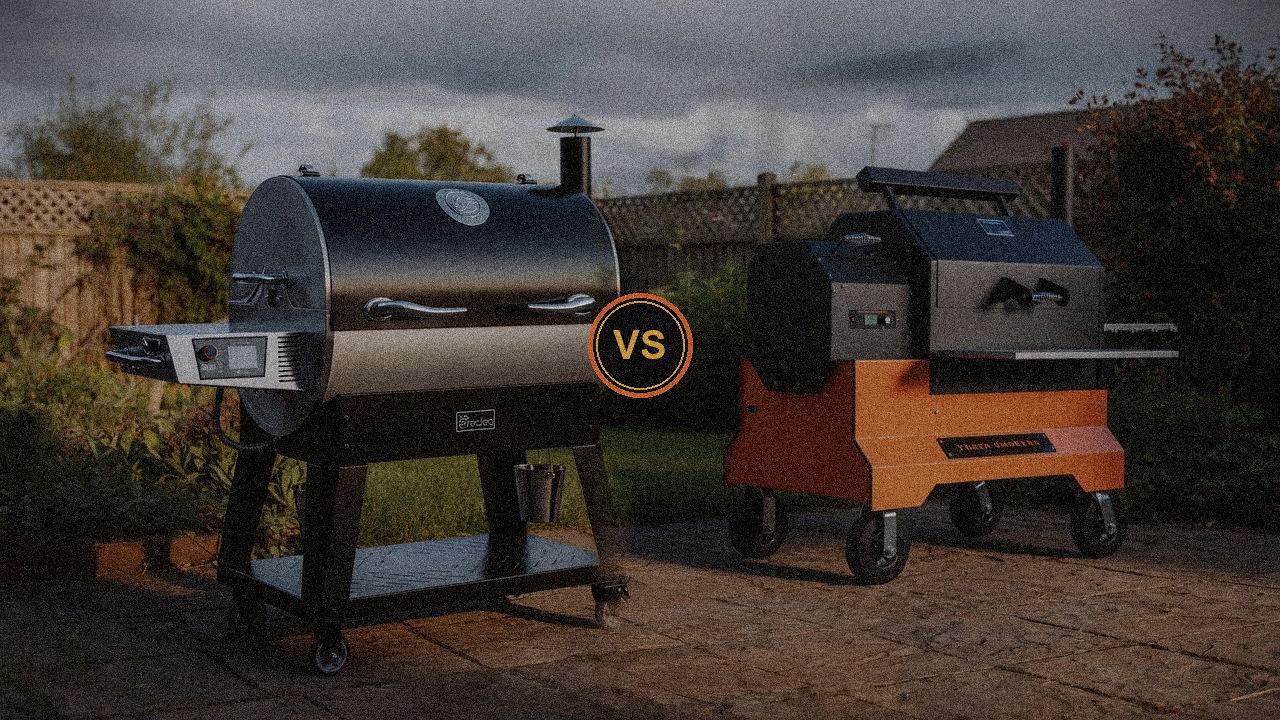
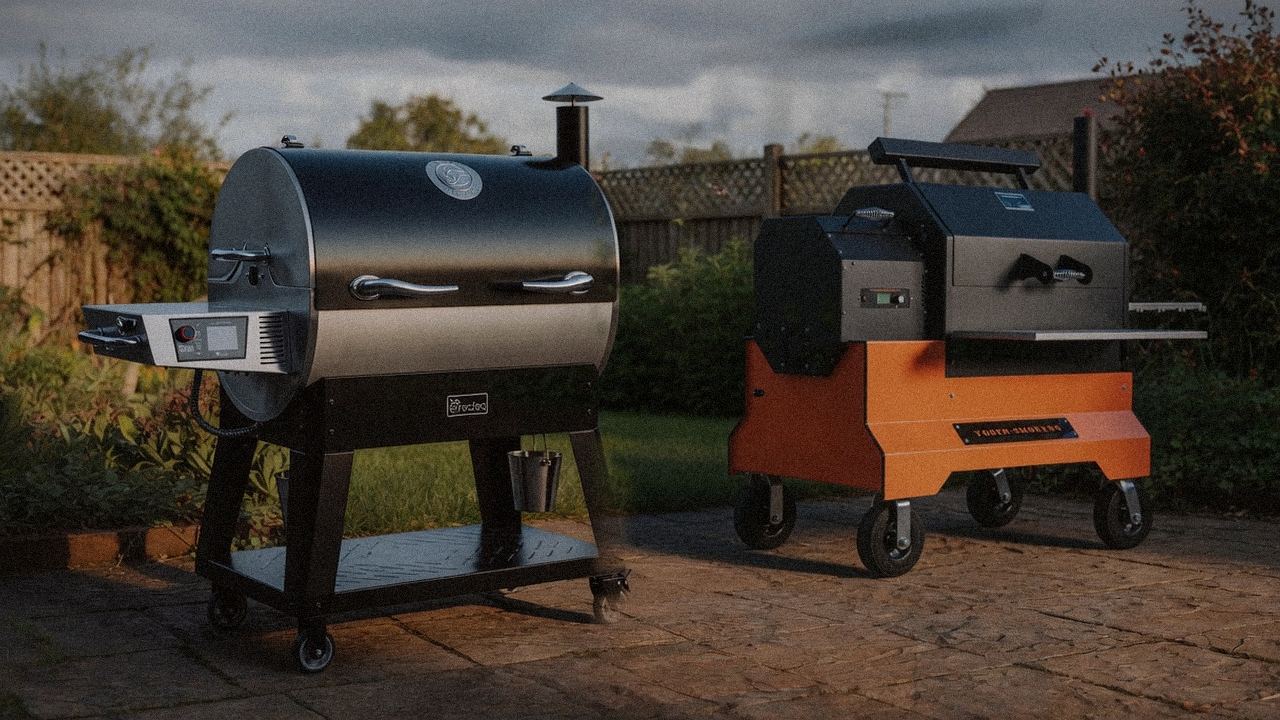
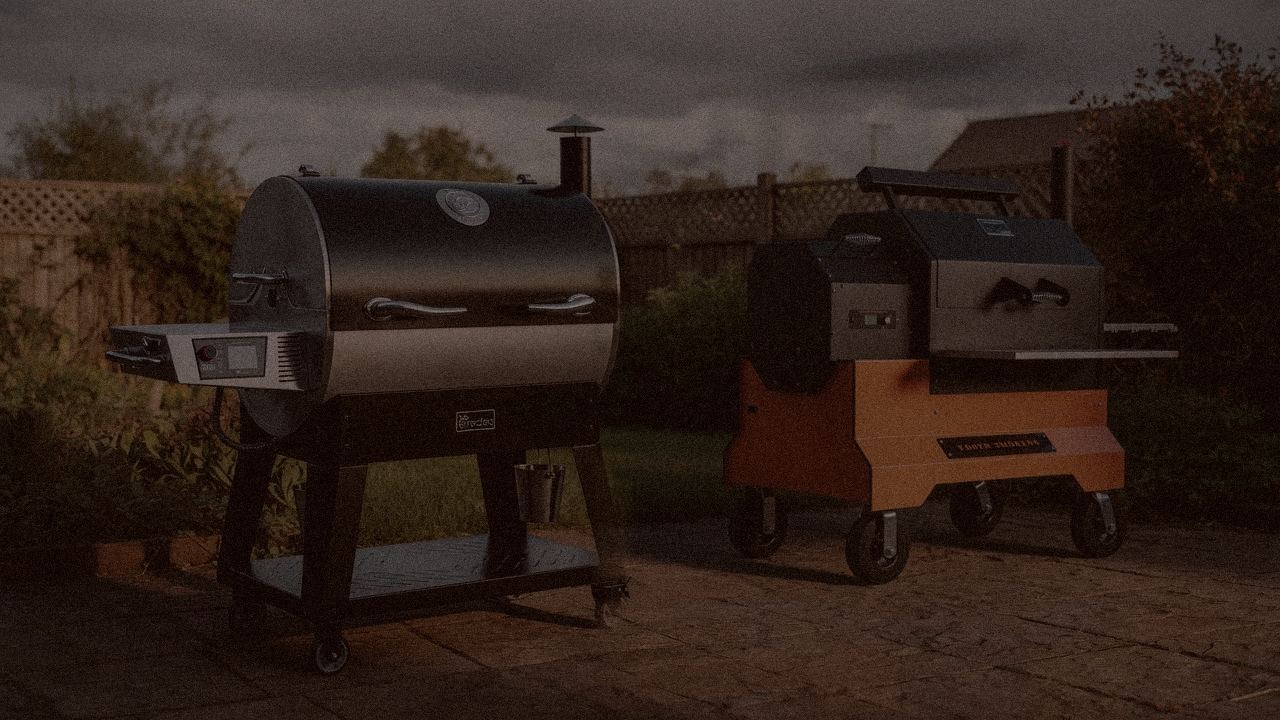
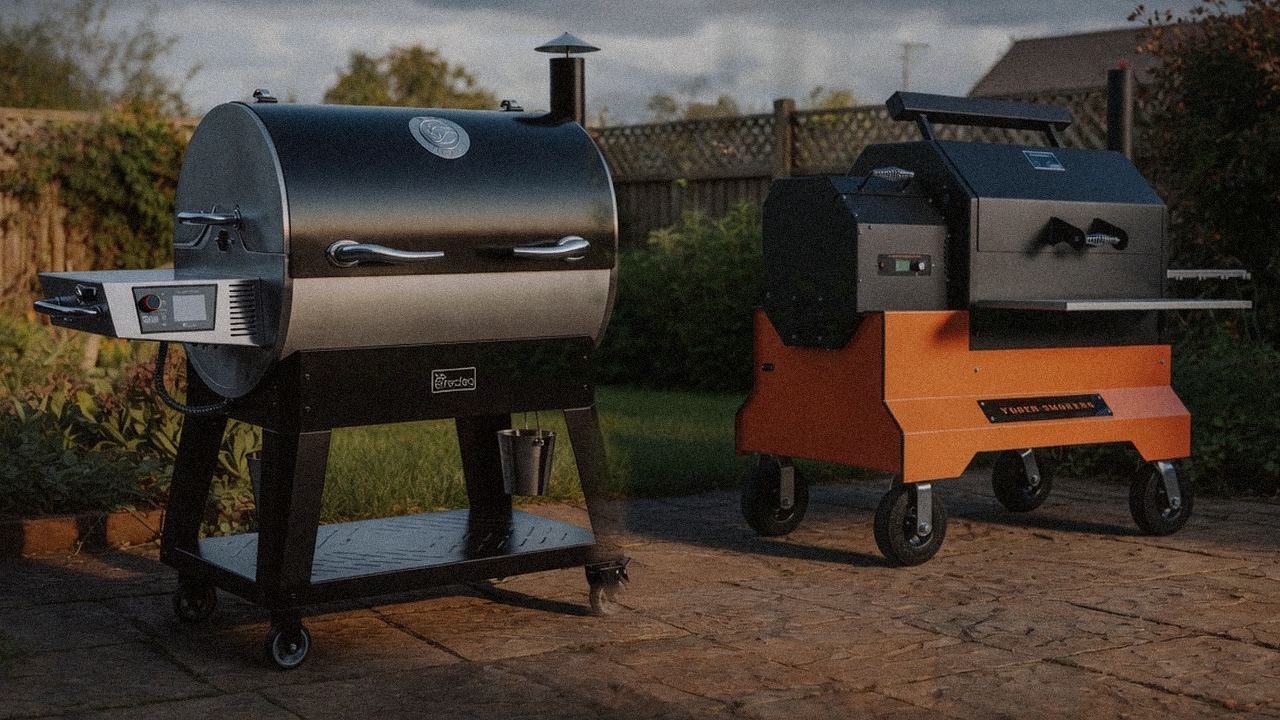
The Yoder YS640s announces itself when you wheel it into place. My deck boards flexed. Then I rolled the recteq Flagship 1600 next to it, lit both on the same bag of pellets, and spent a Saturday walking between two pits that read within a few degrees of each other all afternoon. That's the strange thing about this matchup: on raw temperature control, there is almost nothing between them. The $1,100 gap lives somewhere else, and it took a full season of cooks to figure out exactly where. It is one of the matchups behind the best wood pellet grills rankings on this site.
Pull temps still follow the USDA safe minimum internal temperatures for poultry, pork, and ground beef, no matter which hopper you bought.
Warranty language is what recteq's support center actually publishes, not a forum guess.
recteq vs Yoder at a glance
The recteq Flagship 1600 sells for $1,600 against $2,699 for the Yoder YS640s and $2,249 for the YS480s. recteq gives you more cooking area and double the hopper for far less money. Yoder answers with a 10-year warranty, direct-flame searing, and the heaviest build score we've ever recorded.
| Spec | recteq Flagship 1600 | Yoder YS640s | Yoder YS480s |
|---|---|---|---|
| Price | $1,600 | $2,699 | $2,249 |
| Cooking area | 1,659 sq in | 1,070 sq in | 800 sq in |
| Hopper | 40 lb | 20 lb | 20 lb |
| Max temp | 700°F | - | - |
| WiFi | Yes | Yes | Yes |
| Direct sear | No | Yes | Yes |
| Warranty | 6 years | 10 years | 10 years |
Both YS-series pits share the same guts and the same scores in our testing, so through the rest of this piece I'll mostly say "Yoder" and mean either one. Pick between them on cooking area and budget, nothing else changes.
Which holds temperature better?
Neither, and I mean that as a compliment to both. The Flagship 1600 and the Yoder YS-series each scored 9 out of 10 for temperature accuracy and 9 for stability in our testing. Both controllers hold a setpoint through wind and lid lifts. This dimension should not decide your purchase.
| Test dimension | recteq Flagship 1600 | Yoder YS640s / YS480s |
|---|---|---|
| Temp accuracy | 9 | 9 |
| Temp stability | 9 | 9 |
| Overall score | 8.6 | 8.5 |
That overall line deserves a word. The Flagship 1600 edges the Yoder 8.6 to 8.5 on our weighted score and holds the #2 rank on our tested pellet grills list. Printed honestly, it's a photo finish: recteq wins value, app, ease, and efficiency, Yoder wins build and sear, and the weighting lands them a tenth apart.
The caveats are small on both sides. Some Yoder tests note a slight left-to-right gradient across the grates, the kind of thing you manage by knowing your hot side. Early Flagship reviews included isolated temp-inaccuracy reports that recteq support resolved. On my own cooks, both pits sat close enough to setpoint that I stopped checking.
Who makes more smoke?
Yoder, by half a point. The YS-series scored 8.5 for smoke against the Flagship 1600's 8, and you can taste the difference on long cooks: a touch more depth on brisket bark from the heavier Yoder firebox. Neither pit is smoke-shy, and at 225°F both produce a proper ring.
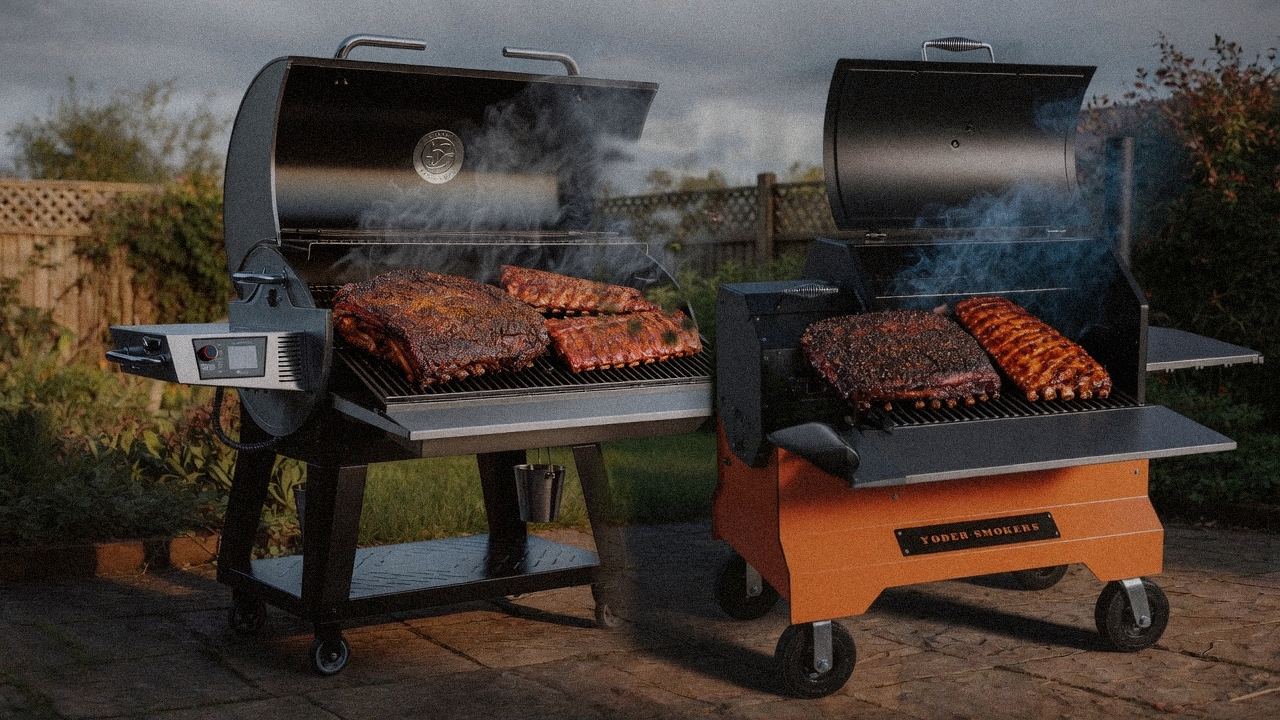
Half a point is real but small. On ribs and chicken I'd defy anyone to call the two apart blind. On a long packer brisket, the Yoder's output reads slightly richer to me, and the 8.5 vs 8 scoring backs that impression with something more repeatable than my palate. A pellet grill is a controlled-combustion device first, so neither brand will out-smoke a stick burner, and the gap between these two is far thinner than the price gap.
The tradeoff inside that heavier fire is pellet consumption: Yoder efficiency scored 7 against the recteq's 8.5, and owners consistently report high pellet use on long YS cooks. More on that in the value math.
Which is built to last?
Yoder, and it isn't close on the score sheet: a perfect 10 for build against the Flagship's very good 9.3. The YS-series is American-made competition-grade steel with a reputation for a decade-plus of service, and Yoder backs it with a 10-year warranty against recteq's 6.
| Build and durability | recteq Flagship 1600 | Yoder YS-series |
|---|---|---|
| Build score | 9.3 | 10 |
| Sear score | 7.5 | 9 |
| Cleaning | 8 | 7 |
| Efficiency | 8.5 | 7 |
| Warranty | 6 years | 10 years |
The Yoder is the only grill we've scored at 10 for build. The steel is the whole sales pitch: thick, welded, built in the USA, the same construction Yoder puts under competition cooks. A 10-year warranty is a manufacturer telling you it expects the pit to still be working in 2036. Two honest asterisks, though. Heavy steel is not rust-proof steel: owners report rust on door and lid edges over time, and on paint and grates in humid or coastal areas, so a cover and occasional touch-up are part of ownership. And all that mass rides on casters owners say are not built for frequent moving. Park it and leave it.
The recteq's 9.3 is nothing to apologize for, and 6 years on a $1,600 grill is one of the stronger promises in the category. The practical gap is searing: the Yoder offers true direct-flame access and scored 9, while the Flagship tops out at 700°F with no direct sear and scored 7.5. Hot enough for a hard crust on steak, not the same as open flame.
Which app and controller is easier to live with?
recteq. The Flagship 1600 scored 9 for app quality and 9 for ease of use against the Yoder's 8 and 8. Both have WiFi standard, but the recteq experience is more polished day to day, and its 40 lb hopper doubles the Yoder's 20 lb for overnight cooks.
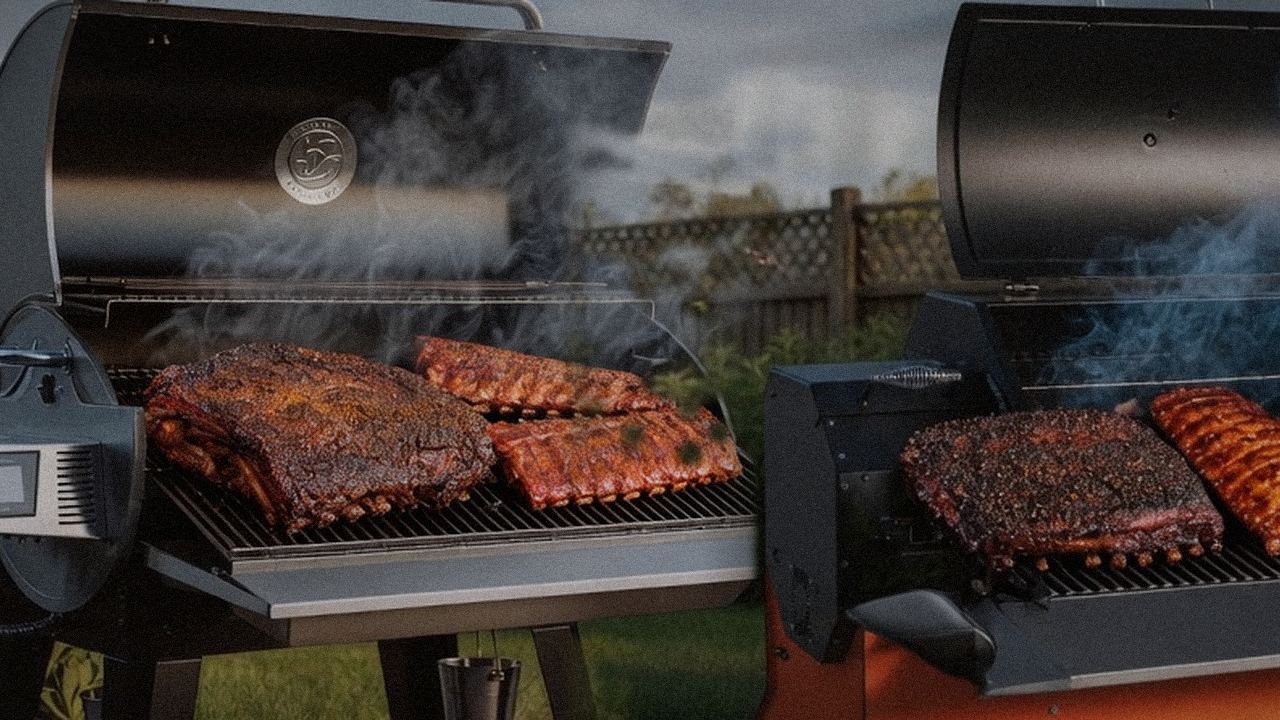
The hopper gap matters more than it looks on paper. Forty pounds means a full brisket overnight with pellets left over, no alarm set for 3 a.m. The Yoder's 20 lb hopper is workable, but pair it with that thirstier fire and long cooks want a top-up. Both apps handle remote temp control and probe monitoring; the recteq app has simply given me fewer reasons to think about it, which is the highest praise grill software can earn. Cleaning tilts the same way, 8 vs 7.
What do owners actually complain about?
recteq complaints are mostly early-unit gremlins: isolated power and temp-accuracy reports, occasional initial auger issues resolved by support, and shelf spacing too narrow for tall items. Yoder complaints are rust in damp climates, occasional igniter or thermocouple failures, heavy pellet use, and wheels unsuited to moving the pit.
The recteq Flagship 1600 list, from owner reports:
- Isolated power issues and temp inaccuracy in early reviews
- Shelf spacing narrow for tall items, a recurring Reddit note
- Occasional initial auger issues, resolved by support
The Yoder YS-series list:
- Rust on door and lid edges after extended use, worse in humid or coastal areas
- Igniter and thermocouple failures reported by a minority of owners
- High pellet consumption during long cooks
- Slight temp gradient or grate-to-grate unevenness in some tests
- Caster and wheel complaints for anyone moving the pit often
What does the value math say?
recteq, by a landslide. The Flagship 1600 costs $0.96 per square inch of cooking area; the YS640s costs $2.52 and the YS480s $2.81. Only on warranty math does Yoder claw back: the YS480s works out to $225 per covered year against the Flagship's $267.
| Value math | recteq Flagship 1600 | Yoder YS640s | Yoder YS480s |
|---|---|---|---|
| Price | $1,600 | $2,699 | $2,249 |
| Cooking area | 1,659 sq in | 1,070 sq in | 800 sq in |
| Price per sq in | $0.96 | $2.52 | $2.81 |
| Warranty | 6 yr | 10 yr | 10 yr |
| Price per warranty year | $267 | $270 | $225 |
Each half of that table tells a different story. Per square inch, the Yoder costs more than two and a half times what the recteq does; you could buy a Flagship 1600 plus roughly $1,100 of pellets and meat for the price of one YS640s. Per warranty year, the three grills nearly converge, and the YS480s is the cheapest pit on the table. That's the honest frame for the Yoder: expensive grill, cheap decade. Keep grills ten years and Yoder's math works. Upgrade every five or six and recteq's math buries it. For most backyard cooks, the Flagship 1600 is the recommendation.
Which one should a first-timer buy?
The recteq. A first pellet grill should be forgiving, and the Flagship 1600 scored 9 for ease of use, runs the friendlier app, and its 40 lb hopper erases the beginner mistake of running dry mid-cook. Spending $2,699 on a first grill buys durability you don't yet know you need.
There's no shame in a Yoder as a first pit, plenty of people buy their last grill first. But the learning curve favors the recteq at every step: easier cleaning, less pellet anxiety, software that stays out of your way, and the money you keep funds a year of briskets. Worth knowing too: our overall top pick sits outside this matchup entirely. The Weber Searwood XL leads our full pellet grill rankings, and you can check the current price if you want the tested #1 rather than either side of this fight. Still weighing recteq against cheaper rivals? My Camp Chef vs recteq piece covers that fork in the road.
Who should spend the extra $1,100 on the Yoder?
Three buyers: the cook who wants one grill for the next decade and will pay up front for it, the competition cook who needs direct-flame searing and proven heavy steel, and the buy-American purchaser for whom a Kansas-built pit is the point. For everyone else the premium is hard to justify.
The Yoder is a deliberate purchase. Its 10 for build and 9 for sear are the two best scores in this matchup, and the 10-year warranty turns sticker shock into $225 to $270 a year. What the extra $1,100 does not buy is better temperature control, a better app, or more capacity; the recteq matches or beats it on all three. It buys steel, sear, and time. If those three words moved you, you're the Yoder buyer. Budget for a good cover too, because rust in damp climates is the one enemy the warranty math doesn't touch.
How do they score on our weighted test method?
Every grill on this site runs the same ten-part method, weighted by what actually changes your food. Here is recteq Flagship 1600 against Yoder Smokers YS640s, row by row, with the weight each test carries.
| Test | Weight | recteq Flagship 1600 | Yoder Smokers YS640s |
|---|---|---|---|
| Temperature accuracy | 15% | 9/10 | 9/10 |
| Temperature stability | 15% | 9/10 | 9/10 |
| Smoke production | 15% | 8/10 | 8.5/10 |
| Build quality | 10% | 9.3/10 | 10/10 |
| Searing ability | 10% | 7.5/10 | 9/10 |
| Ease of use | 10% | 9/10 | 8/10 |
| Cleaning | 10% | 8/10 | 7/10 |
| App / controller | 5% | 9/10 | 8/10 |
| Pellet efficiency | 5% | 8.5/10 | 7/10 |
| Value | 5% | 8/10 | 8/10 |
| Weighted total | 100% | 8.6/10 | 8.5/10 |
Our ten-part weighted method, scored from verified research and bench work. Higher wins each row; a weighted total prints only when all ten dimensions are settled. Full protocol on how we test.
Verdict: recteq or Yoder?
recteq wins this comparison on value, and it isn't fragile math: more cooking area, double the hopper, better efficiency, a better app, and an 8.6 overall score against 8.5, all for $1,100 less. Yoder wins for buy-it-once cooks who want American competition steel and a 10-year promise.
The score gap is a tenth of a point, and I want to be straight about what that means: on pure cooking performance these brands are peers. Both hold temp at a 9. Both make real smoke. The Yoder is the better-built object and the better searing tool; the recteq is the better value by a distance no spec sheet can talk away. That's why the Flagship 1600 holds our #2 rank while the Yoder, printed honestly at 8.5, does not: rank is the tested editorial pick, score is the weighted measure, and value carries weight in ours.
If this matchup taught you that recteq punches above its price, the same logic plays out against the biggest name in the category in my recteq vs Traeger comparison, and the budget end of the market fights it out in Traeger vs Pit Boss.
Is Yoder better than recteq?
Yoder is better built: a perfect 10 build score, direct-flame searing, and a 10-year warranty on American-made steel. recteq is the better value and scored higher overall, 8.6 vs 8.5, with more cooking area, a 40 lb hopper, and a stronger app for about $1,100 less. Most backyard cooks are better served by the recteq.
How long does a Yoder YS640s last?
Yoder backs the YS640s with a 10-year warranty, and the heavy welded steel has a reputation for a decade-plus of service. The realistic maintenance items owners report are surface rust on door and lid edges in humid climates and occasional igniter or thermocouple replacements, not structural failure.
Do Yoder pellet grills rust?
They can on the surface. Owners report rust on door and lid edges after extended use, and on paint, coating, and grates in humid or coastal areas. It's cosmetic wear on thick steel rather than a structural problem, and a cover plus occasional touch-up keeps it managed.
Can the recteq Flagship 1600 sear like a Yoder?
Not quite. The Flagship 1600 reaches 700°F but has no direct-flame access and scored 7.5 for searing, against 9 for the Yoder YS-series with its true direct sear. The recteq gets a hard crust on steak; the Yoder gets open-flame grill marks.
Which has the better warranty, recteq or Yoder?
Yoder, at 10 years on the YS480s and YS640s versus 6 years on the recteq Flagship 1600. Per covered year the gap nearly vanishes: $225 to $270 a year for the Yoders against $267 for the recteq, so the Yoder warranty is the better promise but not a cheaper one, except on the YS480s.