Camp Chef vs Green Mountain Grills: Smoke and Cleanout vs the $399 Trek
Camp Chef vs Green Mountain Grills, cooked side by side: smoke scores, searing, ash cleanout, owner complaints, and the one GMG that beats every Camp Chef at its own game.
 By Oleg Galeev, cooking on pellet grills since 2020, runs the OleGrill YouTube channel
Short answer
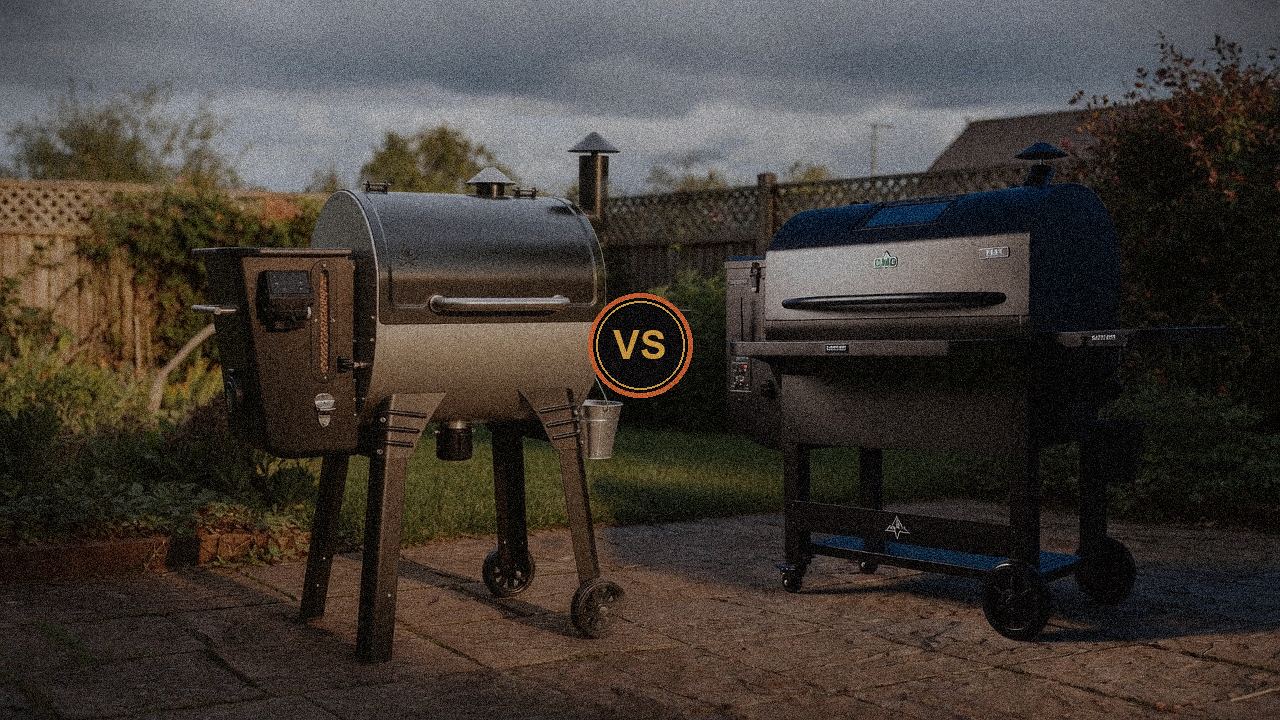
Camp Chef takes the patio: stronger measured smoke, true direct-flame searing on the Woodwind grills, and the easiest ash cleanout I have used. Green Mountain takes the driveway and the campsite, with a $399 WiFi Trek that Camp Chef cannot answer and lower entry prices. Same 3 year warranty on every grill here.
Live prices. Affiliate links: we may earn a commission at no extra cost to you. How this works.
Cleanup day is where this matchup decided itself for me. The Woodwind 24 had just finished a twelve hour pork butt next to the GMG Ledge, and emptying the Camp Chef took one pull on the ash lever and a tap on the cup. The Ledge got the shop vac, the flashlight, and ten minutes of me on my knees. Then I flipped the comparison over and remembered the Trek, GMG's $399 portable that talks to my phone from the truck bed, a grill Camp Chef simply does not make. That is the whole fight: Camp Chef builds the better backyard smoker, Green Mountain builds the one grill in this matchup nobody else can. It is one of the matchups behind the best wood pellet grills rankings on this site.
Pull temps still follow the USDA safe minimum internal temperatures for poultry, pork, and ground beef, no matter which hopper you bought.
Warranty language is what Camp Chef's official site actually publishes, not a forum guess.
What is the difference between Camp Chef and Green Mountain grills?
Camp Chef sells feature-dense mid-tier smokers: 22 lb hoppers, direct-flame searing on the Woodwind 24 and 36, and class-leading ash cleanout. Green Mountain sells three simpler grills from $399 to $999, WiFi standard on all of them, higher 550°F ceilings, no direct searing anywhere. Both brands back everything with 3 years.
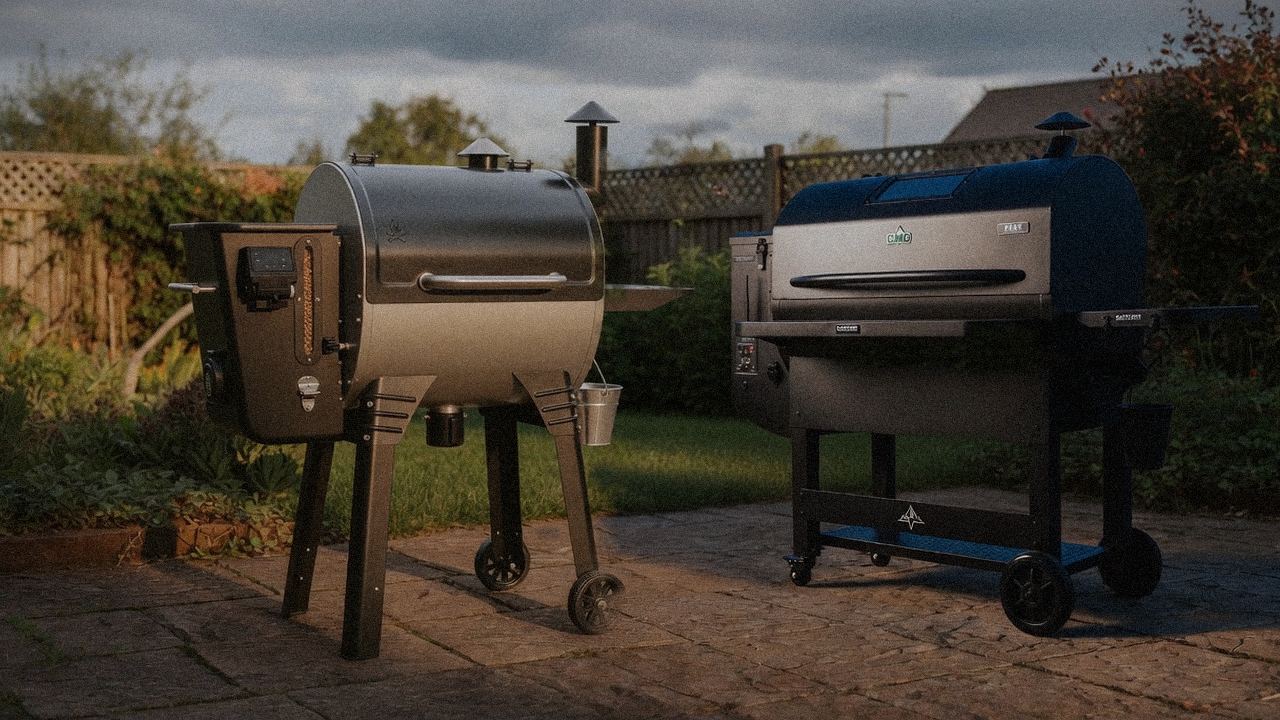
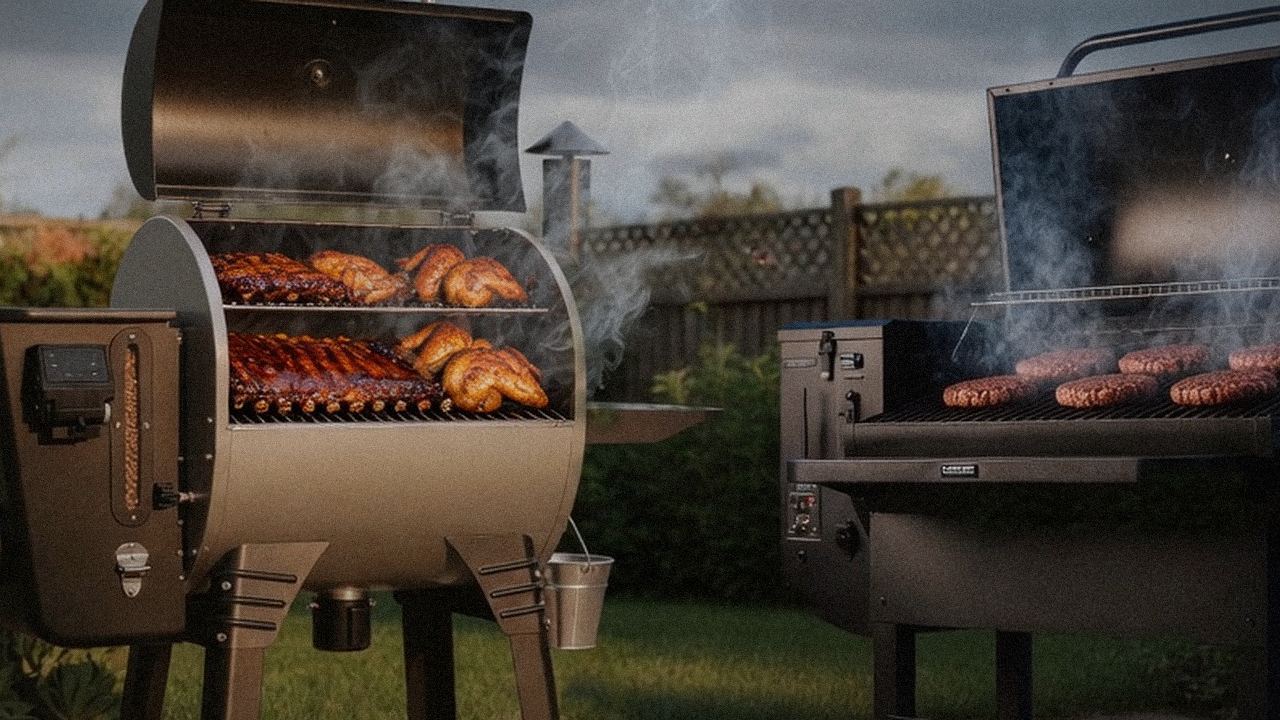
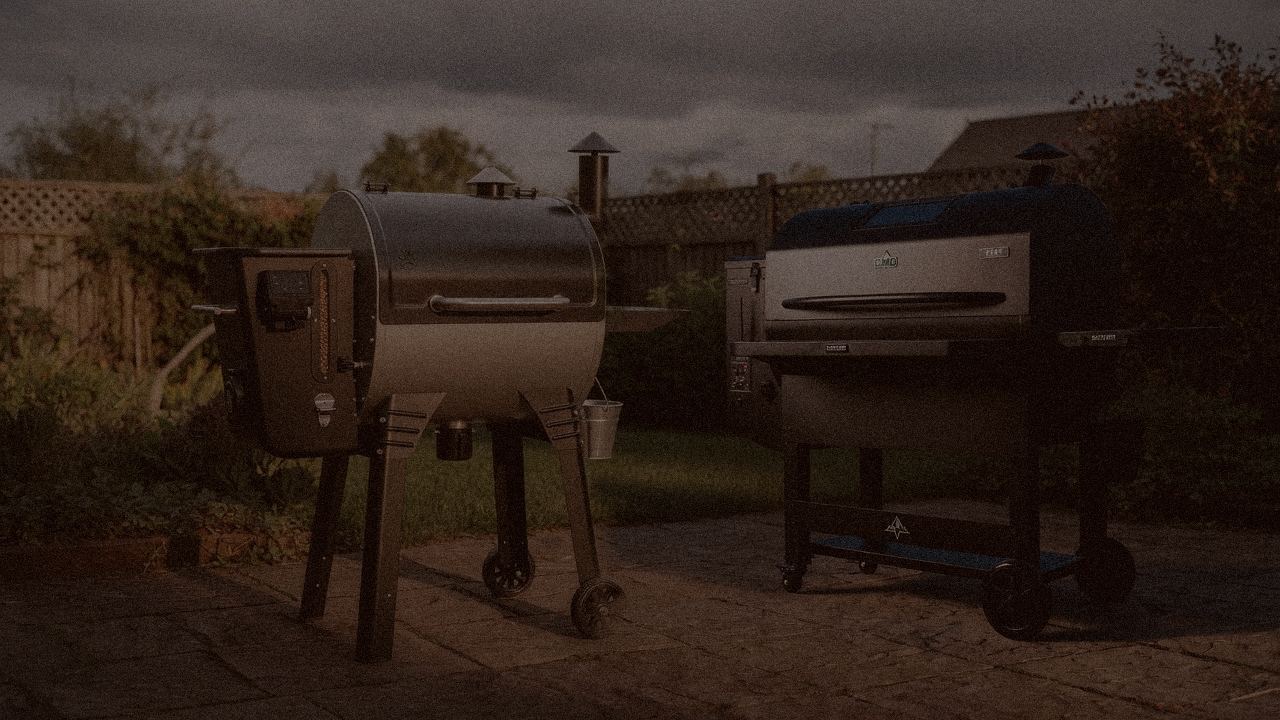
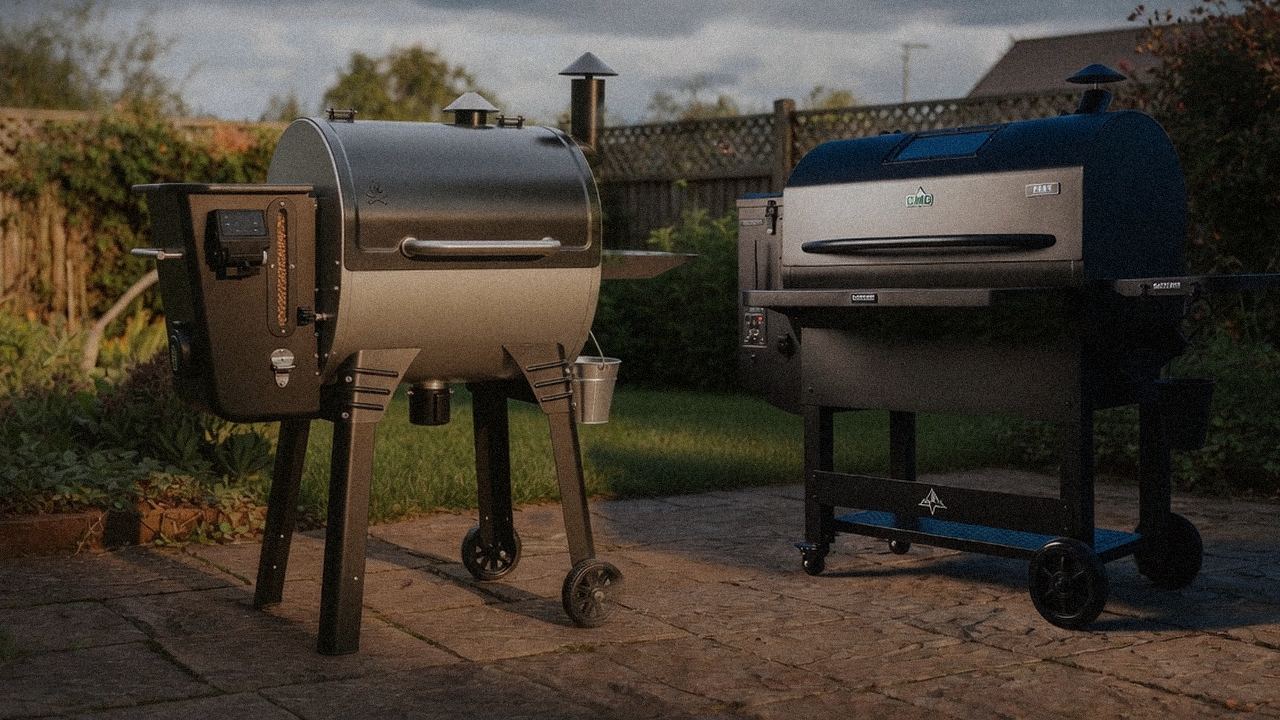
Here is the mid-tier fight that matters most, our Camp Chef reference unit against GMG's closest backyard rival. Both burn pellets through the auger, fan, and firepot layout that defines the pellet grill category, so the differences are in what each company bolted on around it.
| Spec | Camp Chef Woodwind WiFi 24 | GMG Ledge |
|---|---|---|
| Price | - | $699 |
| Cooking area | 811 sq in | - |
| Hopper | 22 lb | 19 lb |
| Max temp | 500°F | 550°F |
| WiFi | Yes | Yes |
| Direct sear | Yes | No |
| Warranty | 3 years | 3 years |
Notice what is missing compared to a Traeger fight: the warranty column is a tie. Three years on every grill either brand sells, so nobody wins this one on coverage. GMG posts the higher number on max temp, 550°F against 500°F, but the Woodwind is the only grill on this table with a real direct-flame sear slider behind that number. A hotter dome thermometer is not the same thing as flame on the steak. If you want to see GMG against a brand that does out-warranty it, the Traeger vs Green Mountain matchup covers that fight.
Who makes more smoke and who sears better?
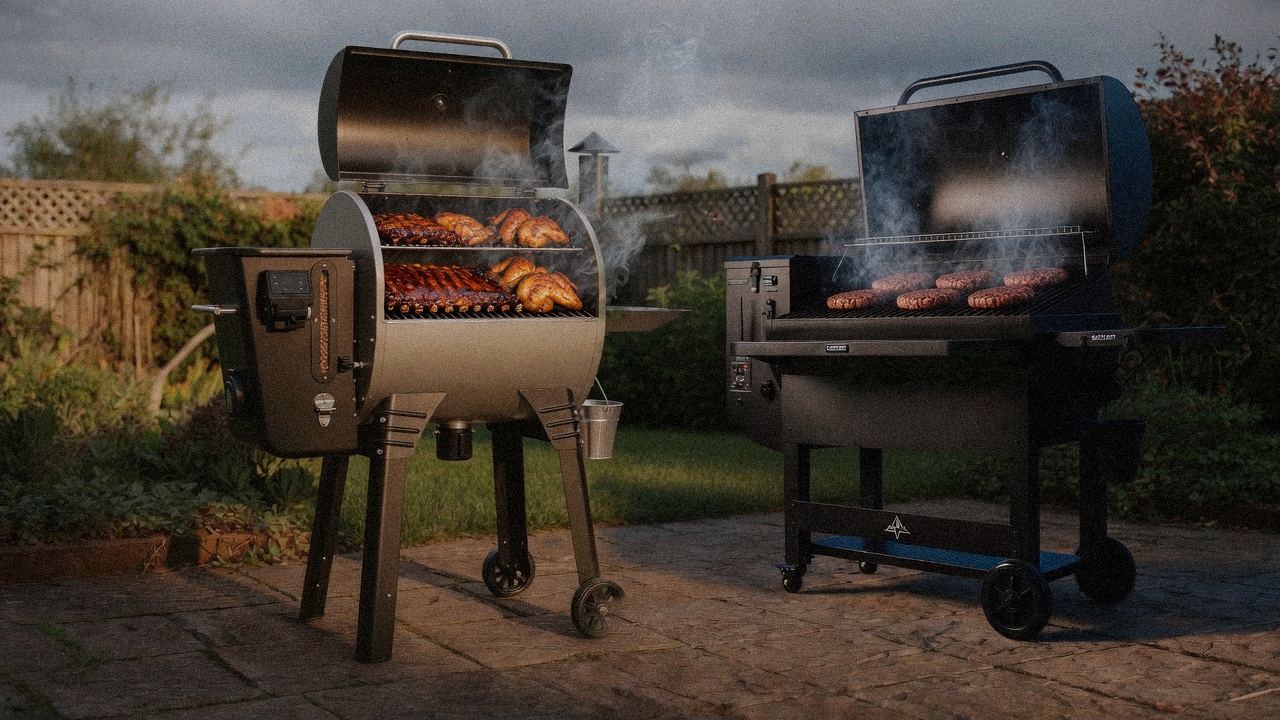
Camp Chef, on both counts, and these are measured. The Woodwind 24 and 36 each scored 8/10 for smoke and 8/10 for searing in my testing, and the Woodwind Pro posts a 9/10 smoke score, the best Camp Chef number on the site. No Green Mountain grill offers direct searing at all, and Peak owners report weak high-heat searing even with the 550°F ceiling.
| Measured score | Woodwind 24 | Woodwind 36 | Woodwind Pro |
|---|---|---|---|
| Smoke | 8 | 8 | 9 |
| Sear | 8 | 8 | - |
| Temp accuracy | 8 | 8 | 8 |
| Temp stability | 8 | 8 | 8 |
| Cleaning | 8.5 | 8.5 | 8.5 |
| Build | 7.5 | 7.5 | 8.5 |
| App | 7.5 | 7.5 | 7.5 |
I have not run the same scored protocol on the three GMG grills yet, so their column is blank on purpose rather than padded with guesses. What I can say from cooking on them: nothing in the GMG lineup has an answer to the Woodwind Pro, which is built to burn real wood chunks alongside its pellets and earns that 9 honestly. The gap on searing is not a scoring nuance, it is a hardware absence. GMG's own Peak problem file includes the line that it is not suited to direct high-heat searing without accessories. If a crusted ribeye is part of your week, this section ends the comparison.
Which brand holds temperature better?
Camp Chef holds the measured edge: 8/10 for both accuracy and stability across all three Woodwind models. GMG's grills are unscored in my protocol so far, and their owner reports do the talking, including Trek overshoots reported as far as 100°F past the setpoint.
Honesty requires both halves of this. Camp Chef's complaint file is not clean: older Reddit threads describe occasional temp swings and controller glitches on the Woodwind 24, and some new owners hit burn-in and feed issues in the first cooks. The difference is pattern versus incident. Camp Chef's temperature complaints read as scattered and largely historical, while the Trek's overshoot reports describe triple-digit misses on a current model. A 225°F rib cook that quietly becomes a 325°F cook is a ruined afternoon, and the app that should have warned you is the same GMG app owners report dropping off WiFi.
Which is easier to clean and live with?
Camp Chef, decisively. All three Woodwinds scored 8.5/10 for cleaning, the pellet purge and ash cup earn praise even inside owner complaint threads, and hoppers run 22 lb across the line. GMG counters with WiFi on every unit but drags false low-pellet alarms and app dropouts behind it.
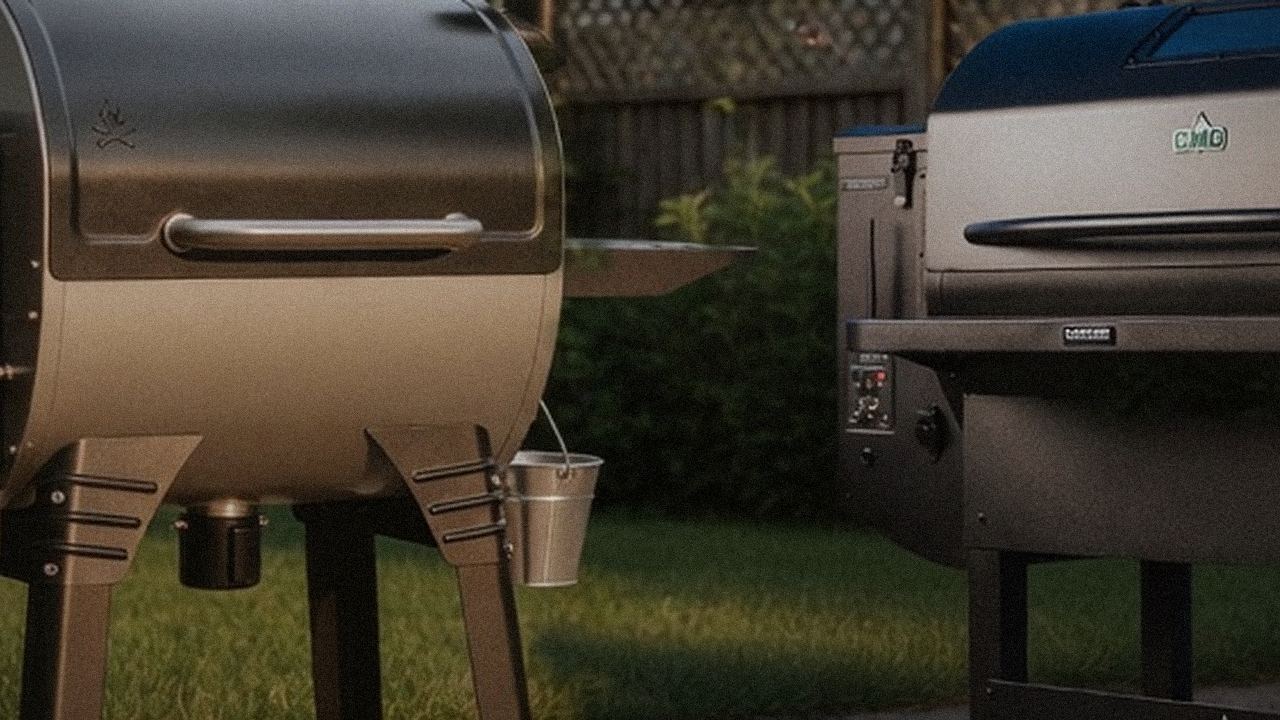
The ash system is Camp Chef's quiet killer feature. Owner reports that criticize the Woodwind Pro's early fit issues still stop to praise the pellet purge and ash cleanout, which tells you something when even the complaints compliment it. Day to day you also feel the hopper math: 22 lb on every Camp Chef against 19 lb on the Ledge and Peak and just 10 lb on the Trek, which is the difference between sleeping through an overnight brisket and setting an alarm. Neither app is the class benchmark, and I score Camp Chef's at 7.5. But worth saying plainly: the best all-around grill I have tested is not in this matchup at all. That crown belongs to the Weber Searwood XL, and you can check the current price on it or see the full pellet grills rankings for where both of these brands land.
What do owners actually complain about?
Both complaint files exist, but they differ in kind. Camp Chef's cluster around electronics: controller failures, app connectivity, and on the Pro, auger motor and probe failures with slow warranty service. GMG's cluster around fundamentals: temperature overshoots, igniter failures, rust forming under the paint, and false alarms.
| Model | Most reported problems |
|---|---|
| Camp Chef Woodwind 24 | Occasional controller failures and app connectivity issues; temp swings and controller glitches in older threads; burn-in and feed issues on some new units |
| Camp Chef Woodwind 36 | Same controller and app issues as the 24; fit and assembly quirks on the larger frame; price dents its value score |
| Camp Chef Woodwind Pro | Isolated controller flicker or shutdown at high temps; auger motor, probe, and slow warranty service reports in retailer reviews; lengthy assembly |
| GMG Trek | Temp swings with +100°F overshoots; igniter failures after limited use; app and WiFi dropouts |
| GMG Ledge | Rust under the paint after months; auger motor, motherboard, and igniter failures; false low-pellet alarms |
| GMG Peak | Occasional auger feed or control board issues; some rust reports; weak direct searing without accessories |
Which brand is the better value?
On verified stickers, Green Mountain owns the entry point: nothing in this comparison touches the Trek at $399. Since both brands warranty everything for 3 years, GMG's cost per covered year is simply price divided by three, and it climbs fast up the ladder.
| Model | Price | Warranty | Price per covered year |
|---|---|---|---|
| GMG Trek | $399 | 3 yr | $133 |
| GMG Ledge | $699 | 3 yr | $233 |
| GMG Peak | $999 | 3 yr | $333 |
I will not print Camp Chef stickers here because they are not in my verified data sheet, and street prices on Woodwinds move too much to pin from memory. What I can print is the shape of the deal. My value scores land at 8/10 for the Woodwind 24 and the Woodwind Pro and dip to 7/10 for the Woodwind 36, where the bigger frame costs more than its extra 425 sq in feels worth. On the GMG side the value story inverts as you spend: the Trek is a genuine bargain, the Ledge is defensible, and the Peak at $999 asks near-flagship money while its own problem file lists rust and control board issues. Budget shoppers cross-shopping the low end should read the Green Mountain vs Pit Boss fight before deciding.
Which one should a first-timer buy?
The Camp Chef Woodwind 24. A first pellet grill should make the hobby easy to learn and easy to clean up after, and the Woodwind does both: 8/10 measured temperature stability, an 811 sq in cooking area with room to grow, a 22 lb hopper that outlasts a brisket, and the ash cup that turns cleanup into a thirty second job.
Beginners quit over friction, not flavor. The two chores that kill enthusiasm fastest are babysitting a wandering controller and vacuuming ash out of a cold barrel, and the Woodwind 24 strips both out of the routine. It also leaves the door open: when you get curious about searing, the slide-out flame feature is already under the grates instead of being an accessory you discover you cannot add. A first-timer on a GMG Ledge saves money upfront but inherits the noisier complaint file, and diagnosing an igniter or a false alarm is exactly the kind of problem a rookie cannot yet tell apart from their own mistakes.
Who should buy Green Mountain anyway?
Anyone whose grill needs to travel. The Trek is the best thing GMG makes and the one grill in this matchup without a Camp Chef rival: $399, 10 lb hopper, 550°F ceiling, WiFi standard, built to ride in a truck bed. Strict-budget patio cooks who can live without searing have a case for the Ledge too.
Camp Chef does not sell a portable WiFi pellet grill; GMG does, and at a price where most competitors offer a dial and good luck. Tailgates, campsites, hunting camps: that is Trek country, and I would buy one for that job without hesitation. Go in with open eyes, because the overshoot and igniter reports are real, so register the warranty and keep receipts. The Ledge case is thinner. At $699 it undercuts the Woodwind tier and still brings WiFi, but you give up searing, accept the rust reports, and get a smaller hopper. The Peak I would skip: near-$1,000 money deserves fewer question marks. Shoppers hunting maximum grill per dollar should also weigh the Camp Chef vs Z Grills comparison, where the budget math gets even sharper.
Verdict: which brand wins?
Camp Chef, for the patio and for most buyers. Measured smoke at 8 to 9 out of 10, real direct-flame searing, 22 lb hoppers, and the best cleanout system in this price class beat GMG's higher temperature ceiling on paper. Green Mountain wins the truck bed outright: the $399 WiFi Trek has no Camp Chef answer, and nothing else GMG makes changes the verdict.
Buy the Woodwind 24 if the grill lives ten steps from your kitchen and you want smoke, sear, and a clean barrel from one machine. Buy the Trek if the grill needs to travel and still talk to your phone. Just do not pay Peak money for a spec sheet the Woodwind beats everywhere except the thermometer.
Is Camp Chef better than Green Mountain?
For backyard smoking, yes. Camp Chef's Woodwind line posts measured smoke scores of 8 to 9 out of 10, offers direct-flame searing that no GMG has, carries 22 lb hoppers, and scores 8.5/10 for cleaning. Green Mountain wins on entry price and is the only one of the two making a portable WiFi grill.
Are Green Mountain grills reliable?
Mixed. Owner reports on the Trek include temperature overshoots up to 100°F and igniter failures after limited use, while Ledge reports add rust under the paint plus auger motor and motherboard failures. Many units run fine, but the complaint file is noisier than Camp Chef's, and the 3 year warranty is your safety net.
Do Camp Chef grills have problems too?
Yes, mostly electronic. Owners report occasional controller failures and app connectivity issues on the Woodwind 24 and 36, and some Woodwind Pro buyers describe auger motor and probe failures with slow warranty service. The mechanical complaints are far thinner than GMG's, and the ash cleanout draws praise even in critical reviews.
Can you sear on a Green Mountain grill?
Not directly. No current GMG offers direct-flame searing, and Peak owners report it is not suited to high-heat searing without add-on accessories despite the 550°F ceiling. The Camp Chef Woodwind 24 and 36 both have direct-flame searing built in and scored 8/10 for it in my testing.
How long is the warranty on Camp Chef and Green Mountain grills?
Three years on both, across every model in this comparison. That makes this matchup unusual: coverage is a wash, so the decision comes down to features and reliability records. On GMG's verified prices that works out to $133 per covered year on the $399 Trek, $233 on the Ledge, and $333 on the Peak.