Yoder vs Z Grills: What an Extra $2,000 of Pellet Grill Actually Buys
Yoder YS640s and YS480s vs the Z Grills 700 and 450A: the widest price gap on this site, compared honestly. Build scores, temperature control, smoke, warranties, and who each end of the budget actually serves.
 By Oleg Galeev, cooking on pellet grills since 2020, runs the OleGrill YouTube channel
Short answer
No photo finish here. The Yoder YS640s beats the Z Grills 700 on almost every dimension we test: build 10 vs 6.5, temperature stability 9 vs 7.5, warranty 10 years vs 3. Z Grills wins the only thing Yoder can't touch, price, and for a first grill that one thing can fairly decide it.
Live prices. Affiliate links: we may earn a commission at no extra cost to you. How this works.
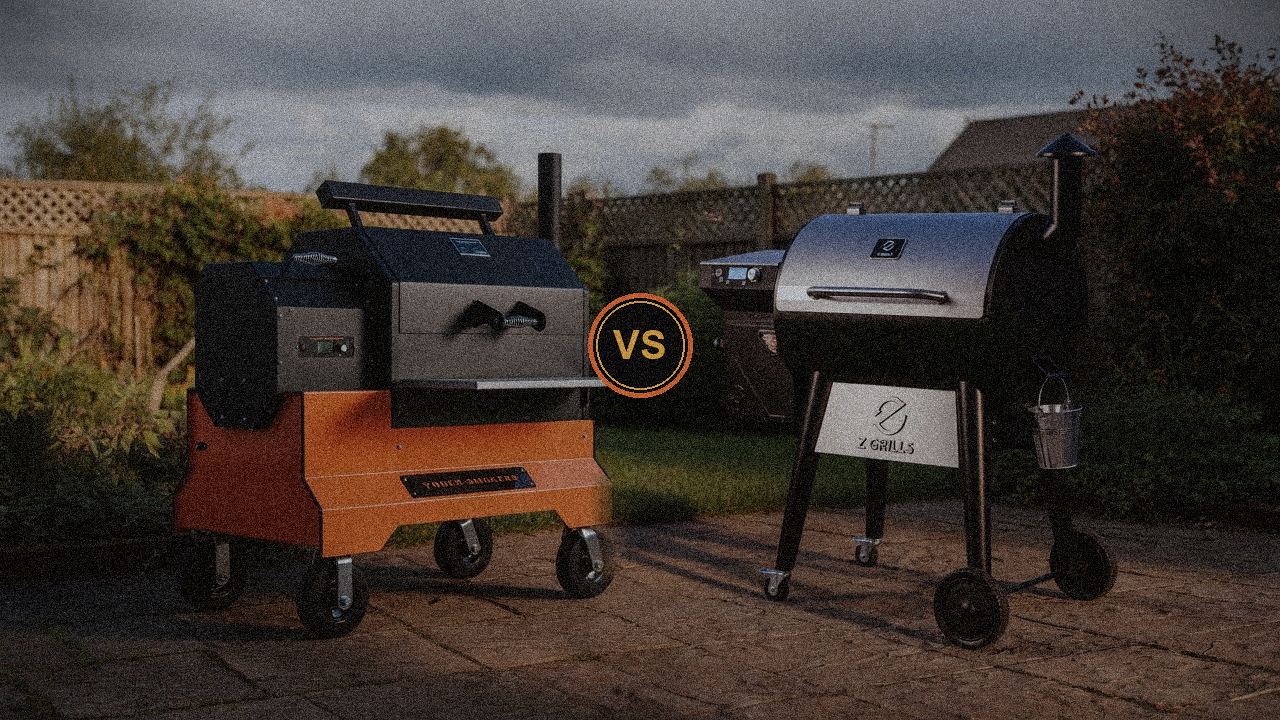
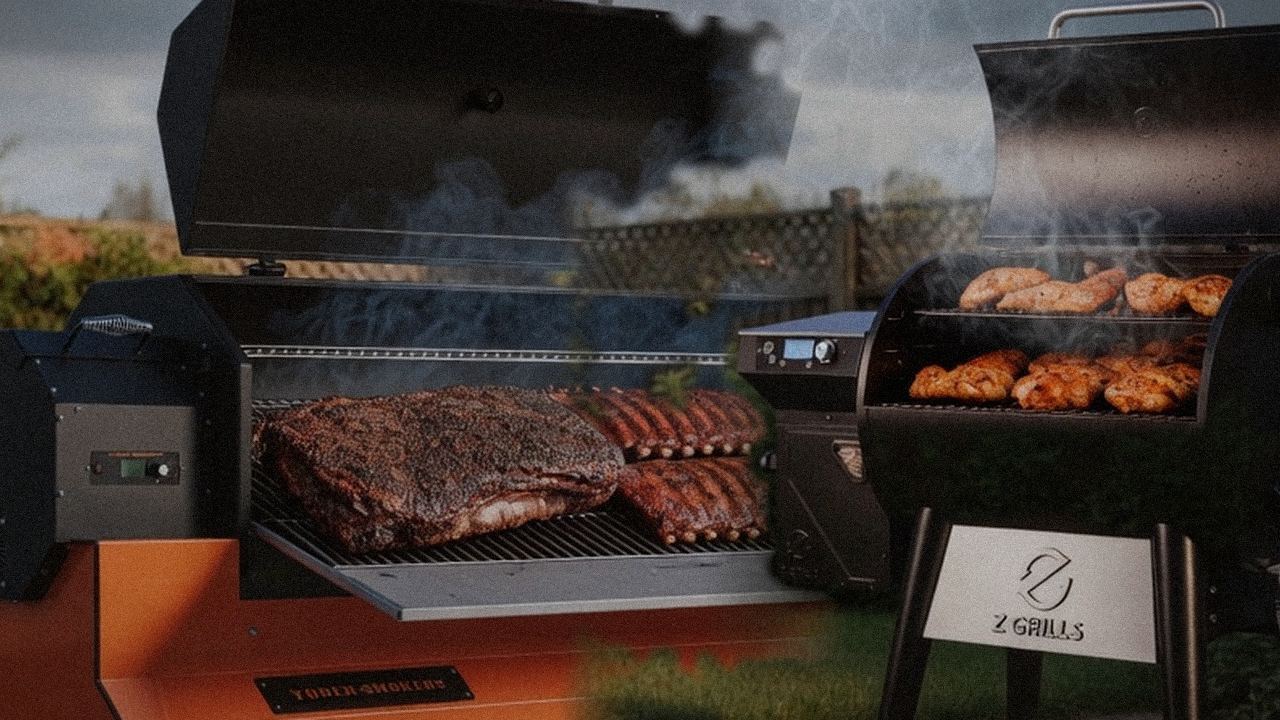
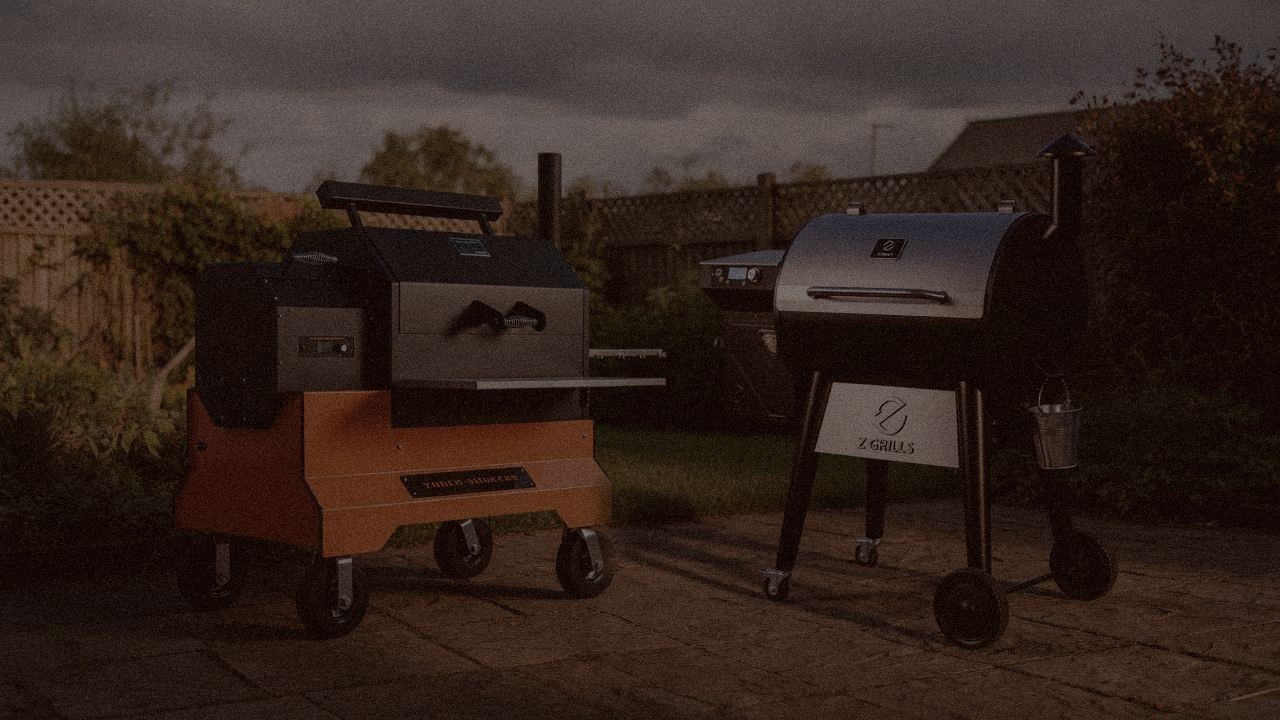
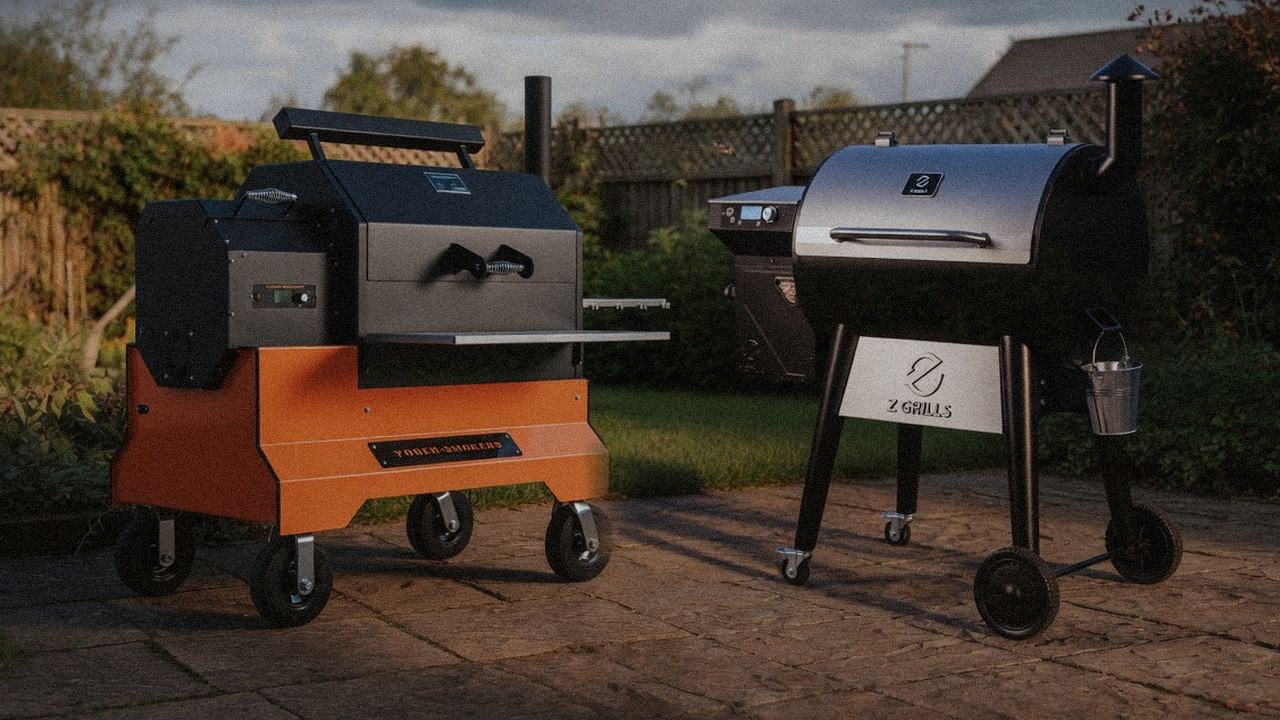
I can move my Z Grills 700 across the patio with one hand while holding a beer. The Yoder YS640s took two of us and a plank to get off the truck, and when I dropped its lid the sound was a bank vault, not a cookie sheet. This is the widest gap I've put on one page: the least money that still makes real smoke against the most steel you can buy for under $3,000. Nobody is genuinely torn between these two brands. But a lot of people are torn about which end of the budget to live on, and running both side by side answers that question better than any spec sheet. It is one of the matchups behind the best wood pellet grills rankings on this site.
Pull temps still follow the USDA safe minimum internal temperatures for poultry, pork, and ground beef, no matter which hopper you bought.
Warranty language is what Yoder Smokers' official site actually publishes, not a forum guess.
Yoder vs Z Grills at a glance
The Yoder YS640s costs $2,699 and the YS480s $2,249, both with 10-year warranties, WiFi, and direct-flame searing on American-made heavy steel. The Z Grills 700 and 450A sell for a fraction of that with 3-year warranties, no WiFi, no sear, and a 450°F ceiling. Same fuel, different universes.
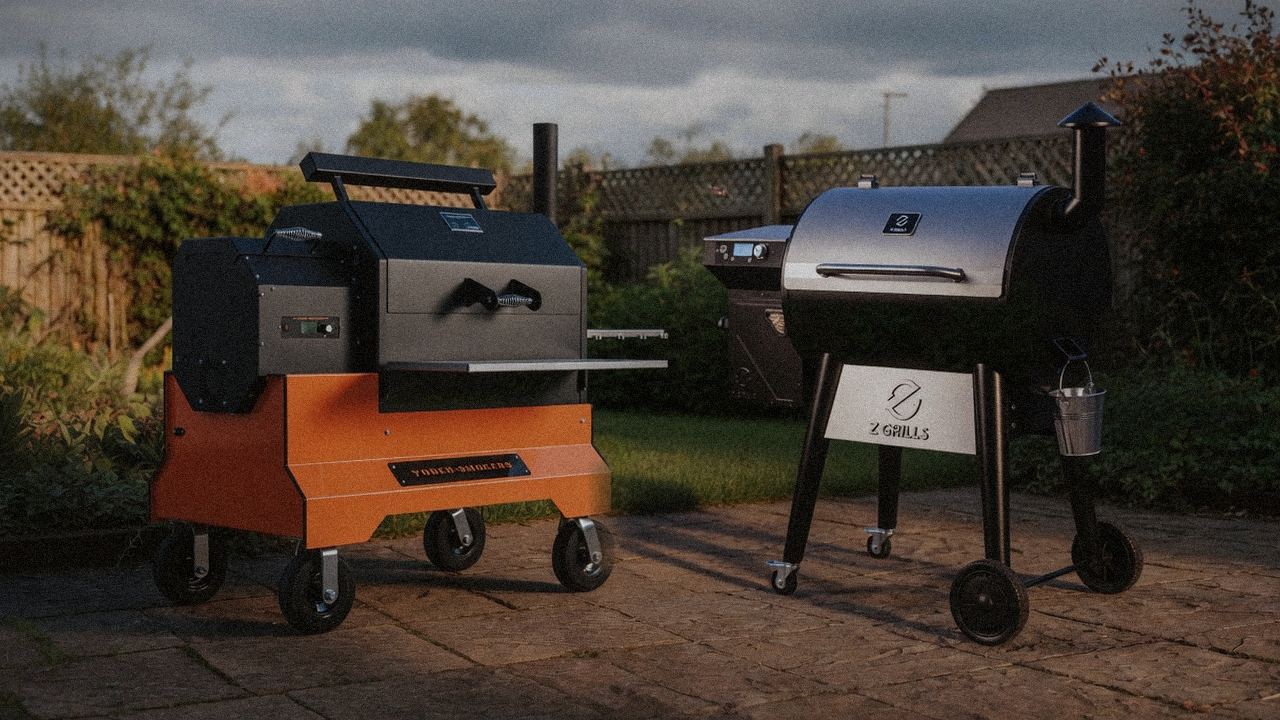
Numbers below come straight from my verified sheet. A dash means the figure is not on it, and Z Grills street prices swing so much with direct-sale discounts that I keep them off the fixed table entirely.
| Model | Price | Cooking area | Hopper | Max temp | WiFi | Direct sear | Warranty |
|---|---|---|---|---|---|---|---|
| Z Grills 700 Series (ZPG-7002) | n/a | 697 sq in | - | 450°F | No | No | 3 yr |
| Z Grills ZPG-450A | n/a | 459 sq in | 15 lb | 450°F | No | No | 3 yr |
| Yoder YS640s | $2,699 | 1,070 sq in | 20 lb | - | Yes | Yes | 10 yr |
| Yoder YS480s | $2,249 | 800 sq in | 20 lb | - | Yes | Yes | 10 yr |
The two Yoders share identical guts and identical scores in our testing, so from here on "the Yoder" means either one; pick between them on cooking area and budget. The Z Grills pair splits only on size and hopper, with the 700 as the one I'd point most people toward.
Which holds temperature better?
The Yoder, clearly. Both YS-series pits scored 9 for temperature accuracy and 9 for stability in our testing, against 7.5 and 7.5 for both Z Grills models. The Z Grills numbers are honest passing grades. The Yoder numbers are what a thick-walled pit with a serious controller looks like.
| Test dimension | Z Grills 700 | Z Grills 450A | Yoder YS640s / YS480s |
|---|---|---|---|
| Temp accuracy | 7.5 | 7.5 | 9 |
| Temp stability | 7.5 | 7.5 | 9 |
| Ease of use | 8 | 8.5 | 8 |
| Overall score | - | - | 8.5 |
That empty overall column is deliberate. The Yoders carry a weighted 8.5 on our sheet; the Z Grills models have dimension scores but no overall figure yet, and I won't invent one. What the dimensions say is plain enough. A 7.5 for stability means the Z Grills wanders more in wind and cold, and the swing is wide enough that I check it on long cooks. The Yoder's 9 means I stopped checking. Part of that is electronics, but a lot of it is mass: heavy steel walls store heat and flatten out every gust and lid lift, and thin walls simply can't. The 450A's basic controller draws owner notes for lagging behind newer PID versions, so between the two Z models, the 700 is the steadier bet.
One thing the score table hides: some Yoder tests note a slight left-to-right gradient across those 1,070 square inches. Big grates, real fire, know your hot side.
Who makes more smoke?
The Yoder, 8.5 against 7.5 for the Z Grills 700 and 7 for the 450A. Every one of these pits produces a proper ring at 225°F, and on ribs the gap is hard to taste. On a long brisket the Yoder's heavier fire builds noticeably deeper bark.
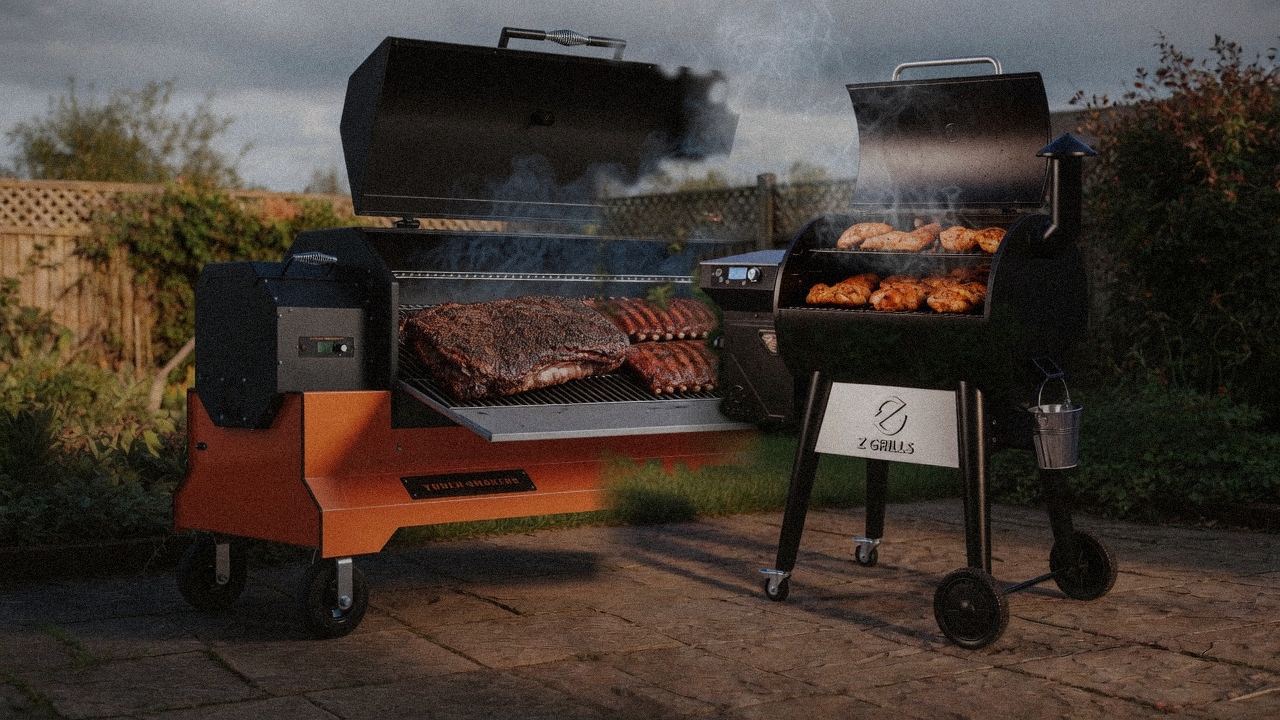
A point of smoke score is the difference between "good pellet flavor" and "people ask what you did differently." A pellet grill is a controlled-combustion machine, so none of these will out-smoke a stick burner, and I want to be fair to the cheap end: 7.5 is a genuinely respectable smoke number, and pulled pork off the 700 needs no apology. The Yoder's edge shows on the cooks where bark is the whole point. It also costs you pellets, because that heavier fire is thirstier; both Yoders scored 7 for efficiency, the same as the Z Grills pair, but owner reports flag high pellet use on long YS cooks specifically. If smoke per dollar is your metric, the budget end of this fight holds up better than the price gap suggests, which is exactly the case I made in recteq vs Z Grills too.
Which is built to last?
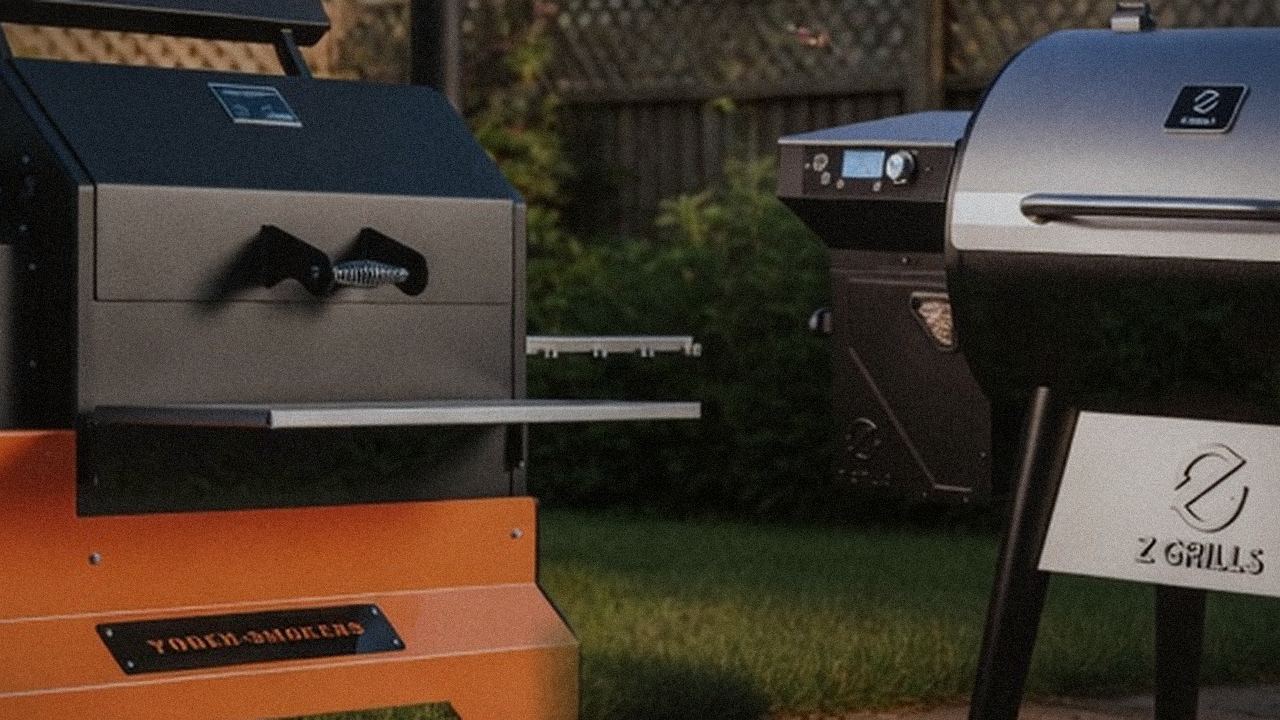
The Yoder, and this is the single widest scoring gap on the entire site: a perfect 10 for build against 6.5 for both Z Grills models. One is competition-grade welded steel from Kansas with a 10-year warranty. The other is thin imported metal with a 3-year warranty and a price to match.
| Build and durability | Z Grills 700 / 450A | Yoder YS640s / YS480s |
|---|---|---|
| Build score | 6.5 | 10 |
| Sear score | 5.5 | 9 |
| Warranty | 3 years | 10 years |
| WiFi | No | Yes |
| Cleaning | 7 | 7 |
The Yoder is the only grill we score at 10 for build, and the warranty is the company saying the quiet part out loud: it expects this pit to be working in 2036. Heavy steel is not immortal steel, though. Owners report surface rust on door and lid edges over time, and on paint, coatings, and grates in humid or coastal areas, so a cover is part of the purchase. Electronics get the occasional complaint too, igniter and thermocouple failures from a minority of owners.
The Z Grills build story is the honest inverse. The community consensus is thin metal, and my hands agree every time I open both lids in the same minute. Thin does not mean broken; it means the pit feels its age faster, and it is doing the temperature no favors. Searing splits the same way: the Yoder's direct-flame setup earns a 9, while the Z Grills tops out at 450°F with no sear option and a 5.5, so steaks get finished in a cast-iron pan. If Yoder build at a mid-tier price is the itch, Camp Chef vs Yoder covers that middle ground.
What do owners actually complain about?
Z Grills complaints center on the hardware being basic: controller and auger inconsistencies in older threads, auger smoke or overheat shutdowns in some units, and thin construction. Yoder complaints are premium-pit problems: rust in damp climates, occasional igniter failures, heavy pellet use, and slight grate unevenness.
The Z Grills list, from owner reports:
- Minor controller or auger inconsistencies in older owner threads
- Smoke from the auger, or overheating and shutdown, in some units
- Thin metal construction, a steady community note
- On the 450A: the 15 lb hopper runs tight on long cooks, and the basic controller trails newer PID versions
- On the 450A: fewer long-term owner reports on file than the rest of the lineup
The Yoder YS-series list:
- Rust on door and lid edges after extended use, plus paint and grate rust in humid or coastal areas
- Igniter and thermocouple failures reported by a minority of owners
- High pellet consumption during long cooks
- Slight left-right temp gradient or grate unevenness in some tests
Read the two lists again and notice what's missing from the Yoder side: nobody calls it flimsy, and nobody calls the Z Grills rusty. Each pit's complaints are the shadow of its selling point.
What does the value math say?
Both, weirdly. The YS640s costs $2.52 per square inch and $270 per warranty year; the YS480s runs $2.81 and $225. Z Grills sells at prices too fluid to print, but a 9 out of 10 value score on the 700 tells you where the per-dollar crown lives.
| Value math | Yoder YS640s | Yoder YS480s |
|---|---|---|
| Price | $2,699 | $2,249 |
| Cooking area | 1,070 sq in | 800 sq in |
| Price per sq in | $2.52 | $2.81 |
| Warranty | 10 yr | 10 yr |
| Price per warranty year | $270 | $225 |
I can only run hard math on the side with a fixed price, so here is the honest frame. Roughly two grand separates these pits, and by square inch the Yoder is expensive real estate. By warranty year it turns almost reasonable: $225 to $270 annually for a decade of covered cooking, against a Z Grills that guarantees itself for three. The Z Grills 700 holds a 9 for value on our sheet, the highest of any model on this page, precisely because a small outlay buys most of the cooking. The Yoder's 8 value score, on a $2,699 pit, is a quiet compliment: even at that price the math defends itself, but only if you keep it long enough for the warranty years to pay out. Sell it in year four and you paid heavy-steel prices for thin-steel tenure.
Which one should a first-timer buy?
The Z Grills, without hand-wringing. It scored 8 to 8.5 for ease of use, forgives beginner mistakes cheaply, and teaches you whether pellet cooking is even your hobby before serious money leaves your account. A first-timer spending $2,699 is buying durability they can't yet use.
Here's the thing nobody selling premium pits says out loud: your first year of pellet cooking is mostly learning, and a 7.5-stability grill teaches the same lessons as a 9. The 700 gives you 697 square inches, enough for two briskets, and if the hobby sticks you'll know exactly which upgrade you want because you'll know what annoyed you. That said, first grill does not have to mean cheapest grill. Our overall top pick sits outside this matchup entirely: the Weber Searwood XL leads our tested pellet grill rankings, lands between these two on price, and you can check the current price if you'd rather split the difference than pick an extreme. I lined that grill up against the budget king directly in Weber vs Z Grills if you want that head-to-head.
What does the extra $2,000 actually buy?
Four things: steel thick enough to hold temperature through weather, a warranty more than three times longer, direct-flame searing with WiFi thrown in, and a company that expects to service your pit for a decade. What it does not buy is dramatically more smoke or an easier grill to live with.
Stack the gaps and the money stops looking mysterious. Build, 10 vs 6.5: that's the steel itself, the reason one pit shrugs at wind and the other feels it. Temp accuracy and stability, 9 vs 7.5 on both counts: that's what the mass does for your brisket at hour nine. Warranty, 10 years vs 3: that's Yoder pricing in a decade of parts and service, and the YS-series igniter complaints show owners actually using it. Sear, 9 vs 5.5, plus WiFi the Z Grills never offers. Roughly $500 per category, if you want to be crude about it.
Now the other column. Smoke moves one point, 8.5 vs 7.5. Ease of use is a tie or a Z Grills win. Cleaning ties at 7. Efficiency ties at 7. The extra $2,000 buys permanence and control, not weekend-to-weekend flavor. That's why this is the site's widest gap and still an easy call in both directions.
How do they score on our weighted test method?
Every grill on this site runs the same ten-part method, weighted by what actually changes your food. Here is Z Grills 700 Series (ZPG-7002) against Yoder Smokers YS640s, row by row, with the weight each test carries.
| Test | Weight | Z Grills 700 Series (ZPG-7002) | Yoder Smokers YS640s |
|---|---|---|---|
| Temperature accuracy | 15% | 7.5/10 | 9/10 |
| Temperature stability | 15% | 7.5/10 | 9/10 |
| Smoke production | 15% | 7.5/10 | 8.5/10 |
| Build quality | 10% | 6.5/10 | 10/10 |
| Searing ability | 10% | 5.5/10 | 9/10 |
| Ease of use | 10% | 8/10 | 8/10 |
| Cleaning | 10% | 7/10 | 7/10 |
| App / controller | 5% | n/a | 8/10 |
| Pellet efficiency | 5% | 7/10 | 7/10 |
| Value | 5% | 9/10 | 8/10 |
| Weighted total | 100% | not yet complete | 8.5/10 |
Our ten-part weighted method, scored from verified research and bench work. Higher wins each row; a weighted total prints only when all ten dimensions are settled. Full protocol on how we test.
Verdict: Yoder or Z Grills?
The Yoder is the better grill and it is not close: better build, better temperature, better smoke, better warranty, an 8.5 overall score the Z Grills doesn't approach. The Z Grills is the better purchase for anyone whose honest budget lives under four figures. Both answers are correct.
This is the rare comparison where I refuse to crown one winner, because the two pits are not competing for the same wallet. If $2,699 is comfortable and you want the most steel sold under $3,000, buy the Yoder and budget for a cover. If pellet smoking is a maybe, or the budget simply stops early, the Z Grills 700 is the least money I know of that still makes smoke worth serving, and its 9 value score is the site's way of saying so. The mistake is buying across the line: stretching painfully for the Yoder you'll resent, or buying the Z Grills while wishing for the pit it will never become. Decide which end of the budget you actually live on, then buy that end without apology.
Is Yoder better than Z Grills?
On the score sheet, decisively: the Yoder YS-series scored 10 for build, 9 for temperature accuracy and stability, and 8.5 for smoke against 6.5, 7.5, and 7.5 for the Z Grills 700, with a 10-year warranty against 3. Z Grills wins only on price, and for budget buyers that win is the whole decision.
How long does a Z Grills pellet grill last?
Z Grills backs its grills for 3 years, and community reports flag thin metal construction, so expect it to age faster than heavy-steel pits. Owner threads mention controller and auger inconsistencies mostly in older units. Kept covered and cleaned, it's a solid multi-year starter grill rather than a decade machine.
Is a Yoder YS640s worth the money over a Z Grills 700?
If you'll keep it a decade, yes. The $2,699 works out to $270 per warranty year and buys a perfect 10 build score, 9-rated temperature control, direct searing, and WiFi. If you're testing the hobby or cooking a few weekends a month, the Z Grills 700 covers most of the same cooking for far less.
Do Z Grills hold temperature well?
Well enough, not exceptionally. Both the 700 and 450A scored 7.5 for temperature accuracy and 7.5 for stability in our testing, meaning wider swings in wind and cold than heavy pits like the Yoder's 9 and 9. Some owners report auger smoke or overheat shutdowns in isolated units, so watch the first few cooks.
Are Yoder pellet grills reliable?
Yes, with known wear points. The steel itself is the most durable we've scored, and the 10-year warranty reflects that. What owners report is surface rust on door and lid edges in humid or coastal climates, occasional igniter or thermocouple failures, and high pellet use on long cooks, none of it structural.